 :
 :
 :
 :

Industrial Basket Strainer for Efficient Industrial Filtration
Industrial basket strainer systems play an important role in protecting pumps, valves, pipelines and other equipment from unwanted solid particles. Advance International provides industrial filtration solutions designed to support reliable fluid handling across different industrial applications. By removing debris such as rust, scale and other suspended solids from liquids, an industrial basket strainer helps reduce equipment damage, minimise maintenance requirements and maintain smoother operations. Selecting the right strainer can improve process reliability while supporting the long-term performance of industrial systems.
What Is an Industrial Basket Strainer?
An industrial basket strainer is a mechanical filtration device installed in a pipeline to separate unwanted solid particles from flowing liquids. It contains a perforated or mesh basket that captures contaminants while allowing the filtered liquid to pass through the system.
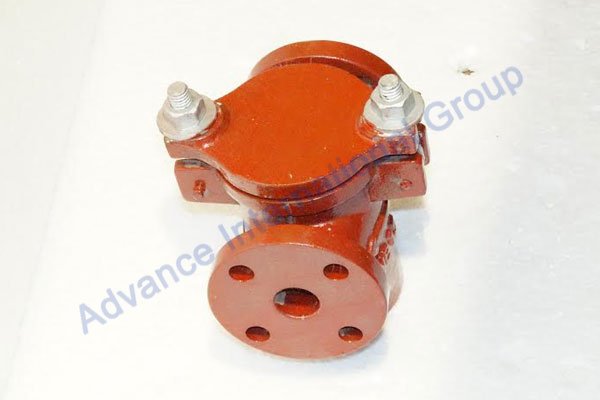
As liquid enters the strainer housing, solid particles remain trapped inside the basket. The collected debris can then be removed by cleaning the basket during scheduled maintenance. This simple filtration process makes basket strainers suitable for applications where protecting downstream equipment from contamination is essential.
Depending on operating conditions, basket strainers can be selected in different sizes, materials and filtration ratings to meet specific process requirements.
Key Features of Industrial Basket Strainers
A well-selected industrial basket strainer combines practical construction with dependable filtration performance. Important features include:
• Effective particle removal: Captures solid contaminants before they reach sensitive equipment.
• Durable construction: Material selection can be matched to the liquid, operating pressure and temperature.
• Reusable filtration basket: Allows accumulated debris to be removed during maintenance.
• Flexible filtration options: Different perforation sizes and mesh ratings help address varying filtration needs.
• Pipeline integration: Available configurations can accommodate different pipeline layouts and installation requirements.
• Convenient maintenance: Accessible basket arrangements can simplify inspection and cleaning, depending on the design.
These features help industrial facilities maintain cleaner process fluids and reduce the risk of interruptions caused by unwanted particles.
Benefits of Using an Industrial Basket Strainer
Installing an industrial basket strainer offers several operational advantages when the equipment is correctly specified for the application.
Protects Downstream Equipment
Solid particles can damage pump components, interfere with valve operation and affect other equipment. A basket strainer captures these contaminants before they travel further through the pipeline, helping reduce avoidable wear.
Reduces Maintenance Requirements
Removing debris from the fluid stream can help limit contamination-related servicing. Although the strainer itself requires periodic cleaning, this maintenance may help prevent more disruptive repairs elsewhere in the system.
Supports Consistent Process Performance
Unwanted solids can interfere with fluid movement and affect connected equipment. Proper filtration helps maintain suitable operating conditions and supports reliable performance across industrial processes.
Offers Reusable Filtration
Unlike disposable filtration elements, many basket strainers use removable, reusable baskets. This can reduce replacement requirements, although cleaning frequency and overall operating costs depend on the application.
Applications of Industrial Basket Strainers
Industrial basket strainers are used in a wide range of sectors where liquid filtration and equipment protection are necessary.
• Chemical processing: Helps remove solid contaminants from compatible process liquids.
• Oil and gas: Supports filtration in suitable liquid-handling and transfer systems.
• Water treatment: Captures debris from water streams before downstream equipment.
• Power generation: Helps protect selected auxiliary water and fluid circuits.
• Food and beverage processing: Can be used in compatible liquid-processing applications where material and hygiene requirements are met.
• Pharmaceutical manufacturing: Supports suitable process-fluid filtration when the equipment meets the required material and cleanliness specifications.
• Manufacturing facilities: Helps protect pumps, heat exchangers and other equipment used in industrial fluid systems.
The appropriate strainer design depends on the liquid being handled, the nature of the contaminants and the required level of filtration.
Why Choose Advance International?
Advance International understands the importance of dependable filtration in industrial operations. Choosing an appropriate industrial basket strainer requires attention to process conditions, equipment compatibility and maintenance needs.
When evaluating a suitable solution, key considerations include:
• Application requirements: Identifying the liquid, contaminants and operating conditions.
• Material compatibility: Selecting suitable construction materials based on fluid properties and corrosion risks.
• Filtration requirements: Determining the basket opening or mesh rating needed for effective particle removal.
• Operating conditions: Considering flow rate, pressure, temperature and acceptable pressure drop.
• Maintenance access: Ensuring the basket can be inspected and cleaned safely and conveniently.
Advance International can help customers assess these factors when selecting industrial filtration equipment for their requirements. Proper specification and installation are essential for achieving dependable performance throughout the operating cycle.
How to Select the Right Industrial Basket Strainer
Choosing an industrial basket strainer involves evaluating the entire fluid-handling system rather than considering filtration alone.
Step 1: Identify the application. Determine the type of liquid, its properties and the contaminants that need to be removed.
Step 2: Establish operating conditions. Review the required flow rate, working pressure, temperature and potential pressure losses.
Step 3: Select the filtration rating. Choose a suitable perforation size or mesh opening based on the particle size and downstream equipment requirements.
Step 4: Confirm material compatibility. Ensure the housing and basket materials are appropriate for the process fluid and operating environment.
Step 5: Plan installation and maintenance. Provide adequate space for basket removal, cleaning and inspection.
Correct selection helps improve filtration effectiveness while avoiding unnecessary restrictions to fluid flow.
Frequently Asked Questions
1. What is the main purpose of an industrial basket strainer?
Its main purpose is to remove solid contaminants from flowing liquids before they reach downstream equipment. This helps protect pumps, valves, pipelines and other components from particle-related damage.
2. Where should a basket strainer be installed?
It is commonly installed upstream of equipment that requires protection from solid debris. The exact location depends on the pipeline layout, fluid flow direction and maintenance accessibility.
3. How often should an industrial basket strainer be cleaned?
Cleaning frequency depends on the amount of contamination, flow conditions and pressure drop across the strainer. Regular inspection helps determine when the basket requires cleaning.
4. Can basket strainers handle different types of liquids?
Yes, suitable designs can handle various liquids, provided the housing and basket materials are compatible with the fluid, temperature and operating pressure.
5. How do I choose the correct basket mesh size?
The mesh size should match the contaminants that need to be removed and the requirements of the downstream equipment. Flow rate and acceptable pressure drop should also be considered.
Contact Advance International for Industrial Filtration Solutions
Choosing the right industrial basket strainer can help protect valuable equipment, improve fluid cleanliness and support efficient industrial operations. Advance International can assist you in evaluating suitable filtration options based on your application, operating conditions and maintenance requirements. Contact Advance International to discuss your industrial basket strainer requirements and identify a solution suited to your fluid-handling system.