 :
:  :
:  :
:  :
: 
Our Blogs
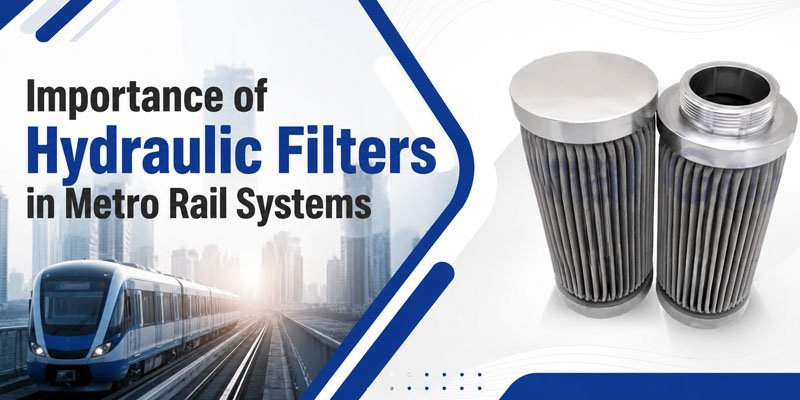
Importance of Hydraulic Filters in Metro Rail Systems
Metro rail systems are designed to provide safe, reliable, and efficient transportation for millions of passengers every day. Behind their smooth operation are several critical mechanical components that require regular maintenance and protection. One of the most important yet often overlooked components is Hydraulic Filters. These filters keep hydraulic systems clean by removing dirt, metal particles, moisture, and other contaminants from hydraulic fluid. Whether used in maintenance equipment, lifting systems, or certain braking and actuator systems, clean hydraulic oil is essential for reliable performance. Understanding the importance of Hydraulic Filters helps operators reduce downtime, improve equipment life, and maintain the highest safety standards.
What Are Hydraulic Filters?
Hydraulic Filters are devices designed to remove contaminants from hydraulic fluid before it circulates through hydraulic equipment. Since hydraulic systems operate under high pressure, even tiny particles can damage pumps, valves, cylinders, and other precision components.
A high-quality Hydraulic Oil Filter helps maintain clean fluid, ensuring consistent pressure, smooth operation, and reduced wear. In metro rail systems, where reliability is essential, proper filtration directly contributes to operational efficiency.
Where Are Hydraulic Filters Used in Metro Rail Systems?
Although metro trains primarily rely on electrical systems, hydraulic systems are still found in several important applications, including:
• Maintenance equipment used for servicing tracks and trains
• Hydraulic lifting systems in maintenance workshops
• Certain braking or actuator systems
• Hydraulic testing and repair equipment
• Specialized service vehicles operating within metro depots
Each of these applications depends on clean hydraulic fluid to function efficiently.
Why Hydraulic Filters Are Essential
1. Protect Critical Components
Contaminated hydraulic oil can damage pumps, valves, seals, and cylinders. Hydraulic Filters remove harmful particles before they circulate, preventing expensive repairs and unexpected failures.
2. Improve Equipment Reliability
Reliable hydraulic performance is crucial for maintenance operations. Clean hydraulic fluid allows equipment to operate smoothly, reducing interruptions and improving maintenance efficiency.
3. Increase System Lifespan
Using properly maintained Industrial Hydraulic Filters minimizes internal wear. This extends the service life of hydraulic equipment while reducing replacement costs over time.
4. Reduce Maintenance Costs
Clean hydraulic systems require fewer emergency repairs and experience less component failure. Preventive filtration is significantly more cost-effective than replacing damaged hydraulic equipment.
5. Support Operational Safety
Hydraulic systems used in lifting equipment and actuator mechanisms must perform accurately. Effective filtration helps maintain consistent hydraulic pressure, reducing operational risks and improving workplace safety.
Choosing the Right Hydraulic Filter
Not every filter provides the same level of protection. When selecting Hydraulic Filters, consider the following factors:
| Selection Factor | Importance |
|---|---|
| Filtration efficiency | Removes fine contaminants effectively |
| Pressure rating | Matches hydraulic system requirements |
| Flow capacity | Maintains proper hydraulic flow |
| Filter material | Improves durability and performance |
| Service life | Reduces maintenance frequency |
Working with an experienced Hydraulic Filter Manufacturer ensures the filter meets industry standards and application requirements.
Best Practices for Hydraulic Filtration
Proper filtration goes beyond installing a filter. Following these maintenance practices improves long-term system performance:
• Inspect hydraulic filters regularly.
• Replace filters according to maintenance schedules.
• Monitor hydraulic oil condition.
• Prevent contamination during oil replacement.
• Use recommended Hydraulic Filtration Solutions for each application.
• Record maintenance activities for future inspections.
Regular preventive maintenance helps metro operators avoid unexpected failures while improving equipment reliability.
Conclusion
The importance of Hydraulic Filters in metro rail systems cannot be overstated. They protect valuable hydraulic equipment, improve operational reliability, reduce maintenance costs, and support safe working conditions. Whether installed in maintenance equipment, lifting systems, or braking and actuator applications, efficient filtration keeps hydraulic systems performing at their best. Choosing quality Hydraulic Oil Filter products, investing in durable Industrial Hydraulic Filters, partnering with a trusted Hydraulic Filter Manufacturer, and implementing effective Hydraulic Filtration Solutions are essential steps toward ensuring long-term efficiency and dependable metro rail operations.
Frequently Asked Questions
1. Why are hydraulic filters important in Metro Rail systems?
Hydraulic filters remove contaminants from hydraulic fluid, protecting pumps, valves, cylinders, and other precision components. Clean hydraulic oil improves equipment reliability, extends service life, reduces maintenance costs, and supports safe operation of maintenance equipment, lifting systems, and hydraulic actuators used throughout metro rail infrastructure.
2. How often should hydraulic filters be replaced?
Replacement intervals depend on equipment usage, operating conditions, and manufacturer recommendations. Most maintenance schedules include regular inspections and filter replacement after specific operating hours or whenever contamination levels exceed acceptable limits to ensure hydraulic systems continue operating efficiently and safely.
3. What happens if a hydraulic filter is not maintained?
A neglected hydraulic filter allows contaminants to circulate through the hydraulic system. This can cause increased wear, clogged valves, damaged pumps, reduced efficiency, overheating, unexpected equipment failures, higher repair costs, and shorter service life of critical hydraulic components used in metro operations.