 :
 :
 :
 :

Our Blogs
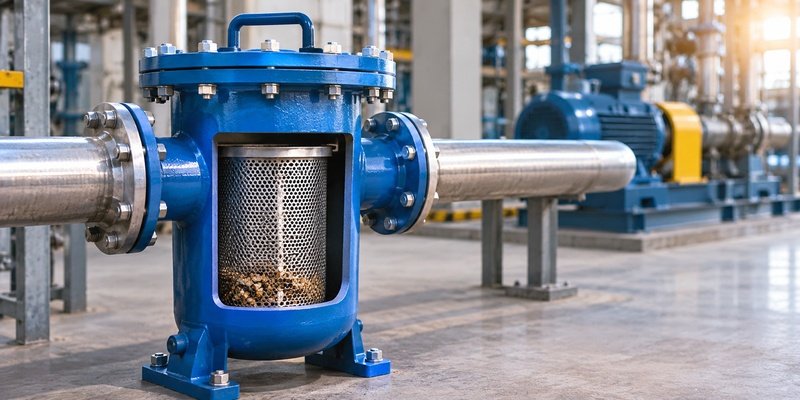
How an Industrial Basket Strainer Reduces Plant Downtime in Your Facility
Unplanned shutdowns are among the costliest problems in any process plant. A single clogged pump or damaged valve can halt production for hours, and the repair bill is only part of the loss. Missed deadlines and idle manpower add up quickly. An industrial basket strainer is one of the simplest and most affordable ways to prevent these stoppages. Installed in the pipeline, it captures debris before it reaches sensitive equipment. In this blog, Advance International explains how this component protects your system, where it makes the biggest difference, and how to maintain it for dependable operations.
The Hidden Cost of Unplanned Stoppages
Weld slag, rust flakes, scale, gasket fragments and sand travel through pipelines unnoticed. Once they reach a pump seal, control valve or heat exchanger, wear begins fast.
Unplanned downtime almost always costs more than scheduled maintenance, because repairs are rushed and production stops without warning. Filtering at the source breaks that cycle.
How an Industrial Basket Strainer Works Inside the Pipeline
Fluid enters the strainer body and flows through a perforated or mesh basket. Solid particles stay trapped inside, while clean fluid moves downstream.
The basket offers a much larger open area than a compact Y-strainer. It holds more debris before flow is affected, which means longer gaps between cleanings.
Ways a Strainer Keeps Your Plant Running
• Protects pumps Trapped debris no longer scores impellers or damages mechanical seals.
• Safeguards valves Control and check valves seat properly instead of leaking or sticking.
• Prevents fouling Heat exchangers and spray nozzles stay clear, maintaining efficiency.
• Cuts emergency repairs Fewer breakdowns mean fewer midnight call-outs and spare-part rushes.
• Enables continuous operation Duplex designs let you clean one basket while the other keeps working.
A Practical Example from the Plant Floor
Consider a cooling water circuit in a manufacturing unit. Without protection, scale from old pipework regularly jams the circulation pump, forcing a shutdown every few weeks.
After a basket strainer is fitted on the pump suction line, the scale collects in the basket. Operators remove it during a routine check, and the pump keeps running. A ten-minute cleaning replaces hours of lost production.
Basket Strainer Compared with Other Filtration Options
| Feature | Basket Strainer | Y-Strainer | Cartridge Filter |
|---|---|---|---|
| Debris capacity | High | Low to medium | Medium |
| Cleaning effort | Simple, reusable basket | Moderate | Replacement needed |
| Pressure drop | Low | Moderate | Higher when loaded |
| Best suited for | Large flow, heavy debris | Compact lines | Fine filtration |
Smart Maintenance Habits That Extend Strainer Life
1. Monitor the pressure gauge difference across the strainer.
2. Isolate and depressurize the line before opening the cover.
3. Remove the basket and clear all trapped debris.
4. Inspect the mesh for tears, dents or corrosion.
5. Check the gasket, then reseat the cover securely.
6. Record each cleaning to build a reliable schedule.
Selecting the Right Strainer for Your Application
Start with the fluid type, operating pressure and temperature. Then match the mesh size to the smallest particle your downstream equipment can tolerate. Stainless steel suits corrosive media, while carbon steel works well for general water and oil services.
For critical lines that cannot be stopped, choose a duplex configuration. Advance International can help you size and specify the right unit for your process.
Conclusion
Downtime rarely begins with a dramatic failure. It usually starts with small particles that quietly damage expensive equipment. A well-selected industrial basket strainer stops them at the source, protects pumps and valves, and keeps your maintenance schedule predictable. With regular inspection and proper sizing, it becomes one of the best-value safeguards in your plant.
Get a Strainer Built for Your Plant
Ready to reduce stoppages and protect your equipment? Contact Advance International today for expert guidance and a quotation tailored to your requirements.
Frequently Asked Questions
What is the main function of an industrial basket strainer?
It removes solid particles from liquids flowing through a pipeline, protecting pumps, valves, meters and other downstream equipment from damage.
How does a basket strainer prevent equipment breakdowns?
It traps debris before it reaches moving or precision parts. This prevents seal wear, valve leakage, blockages and fouling, which are common causes of sudden failures.
How often should an industrial basket strainer be cleaned?
There is no fixed interval. Clean it when the pressure drop rises noticeably above normal. In dusty or dirty services, weekly checks may be needed, while clean systems may only need monthly inspection.
Can a basket strainer be used for high-temperature fluids?
Yes, when built from suitable materials such as stainless steel with gaskets rated for the operating temperature.
What is the benefit of a duplex basket strainer?
It has two baskets, so flow can be switched to one while the other is cleaned. This allows continuous operation without shutting down the line.