 :
:  :
:  :
:  :
: 
Our Blogs
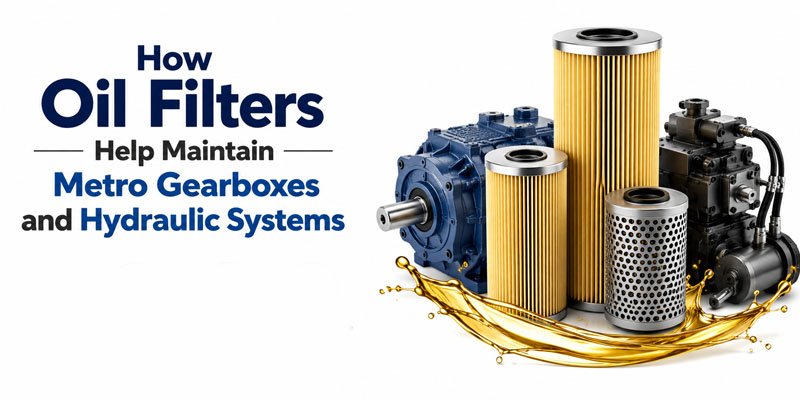
How Oil Filters Help Maintain Metro Gearboxes and Hydraulic Systems
Metro rail systems are always on the go and rely on numerous mechanical components that must be in place to provide safe, dependable transportation. These include gearboxes, hydraulic systems, compressors, and auxiliary equipment, all of which need clean lubricating oil to run smoothly. This is where oil filters can be of great service, ensuring equipment efficiency and minimising maintenance concerns.
Significance of Oil Filters in Metro Systems
All parts involved in the motion of a metro system experience friction while operating. Small amounts of metal, dust, sludge, and other particles may enter the lubricating oil over time. These contaminants, if present in the system, can lead to excessive wear, overheating, and damage to critical parts.
An oil filter is used to keep unwanted particles out of the lubricant before it is circulated through the equipment. Oil filtration plays a key role in maintaining the performance of gearboxes, hydraulic systems, and other mechanical assemblies used in metro operations by keeping the oil clean.
Oil Filters for Metro Gearboxes
Gears are used to transmit power and to regulate movement in metro equipment. During operation, gears continuously interact with each other, producing microscopic metal particles. These particles can accumulate and cause wear on components if the oil isn't properly filtered.
These contaminants are filtered out of the oil and do not circulate through the gearbox in a good oil filter. Lubrication oil that is properly filtered is effective at reducing friction, minimising damage to gears and bearings, and improving power transmission efficiency. This will help prolong gearbox service life and reduce the chance of unexpected failures.
Role of Oil Filters in Hydraulic Systems
Clean hydraulic oil is necessary for hydraulic systems to create pressure and operate smoothly. Any contamination, however minimal, can affect valves, pumps, cylinders, and seals.
The purpose of oil filters is to keep dirt, sludge and metal particles out of the hydraulic oil, which helps keep the fluid flowing and at the right pressure. Oil cleanliness will also help to lower wear on hydraulic components and enhance overall system reliability. Therefore, the maintenance expenses can be managed, and equipment performance can be maintained.
Benefits of compressors and auxiliary equipment.
Compressors and auxiliary equipment are also essential components of metro systems, which must be effectively lubricated. Dirty oil can cause loss of efficiency and mechanical problems.
Oil filters provide clean lubrication in these systems, which helps ensure stable operation and prevents premature wear of moving parts. Periodic filtration helps to prolong the life of equipment and improve its energy efficiency.
Conclusion
It is crucial for the reliability of metro rail equipment that it is cleanly lubricated. Oil filters remove harmful contaminants; keep gearboxes and hydraulic systems clean; minimise gearbox and hydraulic system wear; and ensure smooth operation. The correct oil filtration process results in longer equipment life, reduced maintenance needs and safer operation. Advance International offers oil filtration solutions for applications where equipment protection and system reliability are key.
(FAQs)
Why are lubrication and oil filters important in metro rail systems?
Lubrication reduces friction between moving parts, while oil filters remove contaminants such as metal particles, dirt, and sludge. Together, they protect critical equipment, improve efficiency, reduce wear, prevent unexpected breakdowns, and help metro systems operate safely and reliably.
Which metro components require oil filtration?
Several metro components depend on oil filtration, including gearboxes, hydraulic systems, compressors, bearings, and auxiliary equipment. These systems use lubricating or hydraulic oil during operation, making filtration necessary to remove contaminants and maintain equipment performance and service life.
How often should oil filters in metro equipment be inspected or replaced?
Inspection and replacement intervals depend on equipment type, operating conditions, and manufacturer recommendations. In most cases, oil filters should be checked during routine maintenance and replaced when contamination levels rise or filter performance begins to decline.